
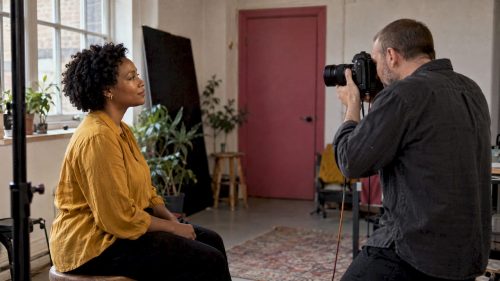
Good personal branding photos are planned backwards from where they will be used: the website banner, the About page, LinkedIn, a press kit. If you are a founder, creative, musician or business owner in London, the quickest route to images that work is a photographer who fixes that purpose before the shoot and directs you through it. That is how we work at LemonLens: every booking starts by clarifying what the photos are for, and portrait sessions start at £200.
This guide covers the shots worth taking, how to build a mood board a photographer can use, and how the main kinds of London option compare.
TL;DR
- Decide where each photo will appear first, then build the shot list from that: banner, About portrait, working shots, social crops.
- A mood board of 10 to 25 images, with a note on what you like in each, gives your photographer a direction rather than a blueprint.
- London options split into studio packages, independent photographers and a directed, purpose-led session. Compare them on direction, price clarity and delivery time.
- LemonLens portrait sessions are £200 (The Solo), £500 (The Brand) and from £795 (The Team).
Table of Contents
- What personal branding photos actually need to do
- Personal branding photoshoot ideas that work
- How to build a brand mood board a photographer can use
- Props, location and the shot list
- London personal branding options compared
- When your brand is more than one person
- Book a personal branding session
- FAQ
- Sources
What personal branding photos actually need to do
A personal branding photo is not a headshot with a nicer background. It is a small library of images that tells a stranger, in a few seconds, who you are, what you do and whether they would enjoy working with you.
That means each image has a job. A formal portrait reassures a procurement team. A relaxed frame on your About page helps a visitor decide whether they like you. A shot of you at work shows the service rather than describing it. When photos are taken without those jobs in mind, you get a pleasant set that fits nowhere.
Map every image to a place
Before you think about outfits or locations, list the places the pictures will live. A sensible starting list:
- Website home page: a wide, horizontal image with quiet space for text.
- About page: a warmer portrait, closer to how you look in a meeting.
- Services pages: you doing something, not posing.
- Social profiles: one consistent profile photo across platforms, plus vertical and square crops for feeds and Stories.
- Press and speaker bios: a clean, high-resolution portrait.
One published shot-list guide suggests a wide landscape for the home page, a square headshot and a 1584 x 396 LinkedIn banner, and 4:5 and 9:16 formats for Instagram and Stories (the source is a photographer’s blog, so treat the sizes as a guide and check each platform’s current specification). The point stands whichever numbers you use: if the photographer does not know the formats, you will be cropping faces out later.
Once the images exist, how you publish them matters as much as how they look. If you want help turning a photo library into a steady posting plan, social media marketing is a natural next step.
Personal branding photoshoot ideas that work
Ideas are cheap. The useful ones are tied to a purpose. These are the ones we would put on a shot list for a founder, consultant, creative or musician.
1. The clean introduction portrait
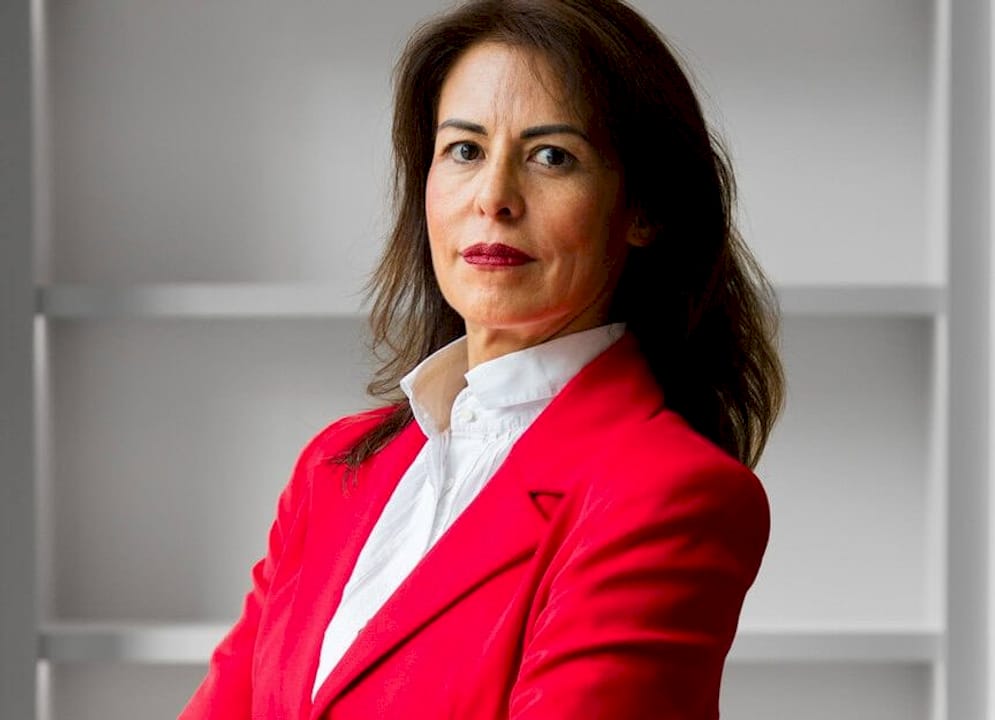
One clear, approachable, direct-to-camera portrait. It goes on your About page, speaker profiles, announcements and press kit. Everything else is built around it, so it is first on the list.
2. The working shot
Shoot where your work actually happens: your studio, desk, rehearsal room or a café corner. Show preparation moments, such as reviewing notes or packing an order, instead of only finished results. These suit website process sections and launch announcements.
3. The hands and detail shot
Hands on a keyboard, an instrument, a sketchbook or a product. Details give designers something to crop into banners and give your feed texture without needing another full-length portrait.
4. The collaboration frame
Invite a real client, collaborator or bandmate into a few frames. It adds connection and scale, and tells the viewer you work with people.
5. The walking or arrival shot
Movement breaks up a library of static poses. Describe poses as actions (walking toward camera, seated with hands visible, a three-quarter angle) rather than “smile”. Our guide to looking natural in photos and the portrait posing guide cover the moves that help most.
6. The three-tier set
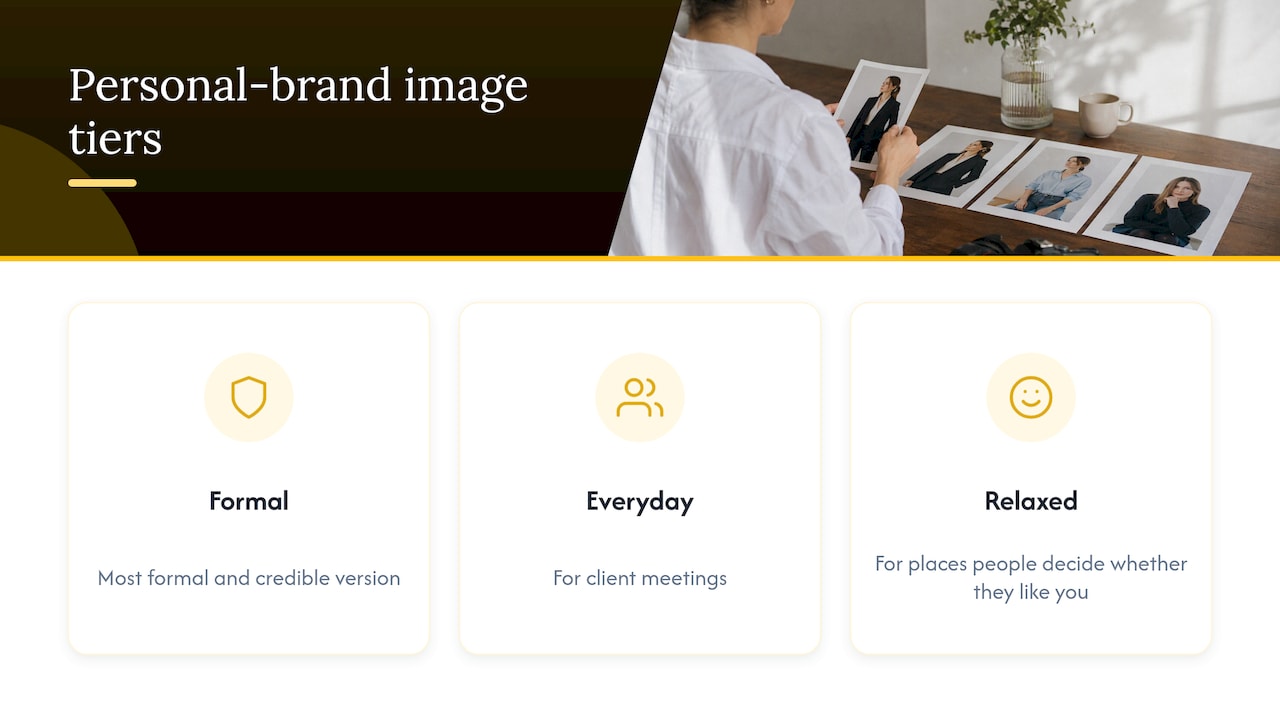
Most brands are well served by three versions of themselves: the most formal and credible, the everyday client-meeting version, and a relaxed, warmer version for places where people decide whether they like you. Plan two to four outfits in colours that match your brand to cover them.
A 30 to 60 minute priority list
If time is short, a checklist for personal branding shoots from Photoshoot.site gives this order: clean headshot, warm smiling portrait, half-body website portrait, horizontal homepage image with text space, vertical social portrait, action shot, workspace portrait, hands or detail shot, walking shot and a press-kit portrait. Start with the essentials, then variations, then the experimental frames.
For musicians, the same logic applies with different outputs: we cover square art and press files in our musician press photos guide. For LinkedIn-first professionals, see the LinkedIn headshot guide.
How to build a brand mood board a photographer can use
A mood board is a short visual brief. It saves the first half hour of a shoot, which is otherwise spent guessing what “professional but warm” means to you.
What goes on it
The design platform Canva advises starting a mood board with a colour palette that reflects your brand message, then adding swatches, story-telling imagery, textures and typographic elements. For a photoshoot, translate that into:
- Colour: the two or three tones you want in your clothes, backdrop and props.
- Light: bright and airy, moody and dark, or hard sunlight.
- Location and setting: studio, office, street, venue.
- Wardrobe: the looks you would actually wear.
- Pose and expression: relaxed hands, a walking frame, a close crop.
- Composition: where you want empty space for text.
How many images, and how to annotate
Aim for 10 to 25 images. Save them in Pinterest, a slide deck or a notes folder, group them by lighting, composition, styling, colour, expression and pose, and write a line on what appeals in each. Practical notes such as “leave negative space on the left” are worth more than another dozen pins. Keep the images aspirational rather than a record of old photos you already have.
Using it well
A mood board is a starting point, not a blueprint to copy. Mark what you are borrowing as direction (the warmth, the framing) rather than something to replicate exactly, and talk it through with your photographer so it becomes a shot list. If you want a worked example of how we turn a board into a signed-off plan, read our guide to photoshoot mood boards.
Props, location and the shot list
Plan the practical side before the day:
- Location: one place that is genuinely yours, and one that fits the brand. Note access, available light, parking and a changing area, and have a nearby fallback in case of weather.
- Props: three to five things you really use. Remove non-brand labels and logos and clean everything before close-ups.
- Shot list: organise by set-up, with each shot’s subject, pose or action, orientation, styling and priority. Do the safe compositions first.
These details come from Photoshoot.site’s planning templates. A photographer who runs this with you removes most of the admin; a directed session also means you are not left deciding what to do with your hands.
London personal branding options compared
In London, personal branding photography broadly comes in three forms. Prices below are those published by each provider at the time of writing and change, so check each page before booking.
| LemonLens | Studio package providers | Independent personal brand photographers | |
|---|---|---|---|
| Starting price | £200 (The Solo) | e.g. Vanity Studios lists £195 for three digital images | e.g. a West London photographer lists £445 for a 45-minute session with 15 photos |
| Mid-range | £500 (The Brand) | £495 for eight images, with hair and make-up | £695 for up to 1.5 hours, around 50 edited photos |
| Team or larger | From £795 (The Team) | £995 for 20 images | Larger gallery packages on request |
| Starting point | Purpose of the photos clarified at booking | Consultation, styling and a studio | Discovery call and questionnaire |
| Direction on the day | Fully directed | Guidance on styling and posing | Varies by photographer |
| Where | Studio or on location | In the studio | Often a set area of London |
| Pricing | Published, transparent quotes | Published tiers | Published tiers |
The rival figures come from those providers’ own pages, and package contents differ, so compare like for like: number of final images, session length and delivery time.
What to compare on
- Does the photographer ask what the photos are for? A portfolio can be beautiful and still not suit a banner with room for text.
- Direction. Most people are not comfortable in front of a camera. A fully directed session makes the result look natural.
- Price clarity. You should know what is included before you book.
- Turnaround. Images are most useful while the launch, tour or campaign is still live.
- Range. If you will later need team headshots, event coverage or video, one photographer covering all of it keeps your look consistent.
On those five points, LemonLens is the pick for founders, creatives, musicians and businesses who need images that do a job. Our brief begins with purpose, our sessions are directed, our pricing is published, and we cover portraits, business photography, events and videography under one roof.
Which LemonLens session fits
- The Solo, £200: a single person who needs a strong portrait set for their profile and website.
- The Brand, £500: a founder or creative building a fuller brand library.
- The Team, from £795: several people who need to look like one business. For on-site work, see team headshots in London.
If your need is mainly a profile image for the platform, our LinkedIn headshot photographer page explains the session.
When your brand is more than one person
Businesses often start with a founder portrait and quickly need more: team pages, an office, a launch event. We offer business photography and corporate photography in London for internal imagery.
For events, London event photography is £400 to £900, with 48-hour delivery for events, so the photos are ready while the conversation is still going. Corporate rates are published: a half-day from £350, a day from £650 and a two-day conference from £1,100, on our corporate events page. Where moving image would carry more weight, we also shoot videography and event videography.
We start every personal branding conversation with one question: what are these photos meant to do? A founder who needs to win a contract needs a different set from a musician announcing a release, even if both are standing in front of the same window.
The pictures that earn their keep are intentional. The portrait on your About page has a job, the wide shot on your homepage has a job, and the frame at your desk has a job. When you know that on the morning of the shoot, directing becomes easy and you can relax in front of the camera.
That is why we direct the session, publish our prices and deliver quickly. Your images should be ready while they are still relevant, not weeks after the moment has passed.
Emmet
Book a personal branding session
If you are ready to start, our personal branding photographer page explains the session for founders and creatives, and the portrait sessions page lists The Solo at £200, The Brand at £500 and The Team from £795. You can see our work in the portrait portfolio.
FAQ
How many personal branding photos do I need?
Enough to cover every place you will use them: a clean portrait, a warmer portrait, a working shot, a detail shot and a few vertical crops for social. For most people that is a library built around the three tiers of formal, everyday and relaxed.
What should I wear?
Choose two to four outfits you would genuinely wear to meet clients, in colours that match your brand palette. Bring the looks that suit your three tiers, and talk them through with your photographer in advance.
Do I need a mood board?
It helps a lot. Ten to twenty annotated images tell your photographer the light, colour and pose you like, and a quick conversation turns them into a shot list. It is a direction, not a script.
How much does a personal branding photoshoot cost in London?
Published prices vary with session length, number of images and extras. Our portrait sessions are £200 (The Solo), £500 (The Brand) and from £795 (The Team). Always compare what each price includes before you book.
Sources
- How to build your brand with a mood board, Canva
- Personal Branding Shot List for Web, Social, Press, Photoshoot.site
- Photoshoot Checklist and Planning Templates, Photoshoot.site