

For most UK businesses, event organisers and musicians, the platform matters less than the footage. YouTube Shorts, Instagram Reels and TikTok all take vertical video, so a single shoot that is planned with a purpose can feed all three. The differences are in how each one finds viewers, how long a clip can run and what a viewer does next. Pick a lead platform on those points, then shoot once and adapt. At LemonLens we start every booking by clarifying what the images are for, and that question settles the platform choice faster than any comparison chart.
TL;DR
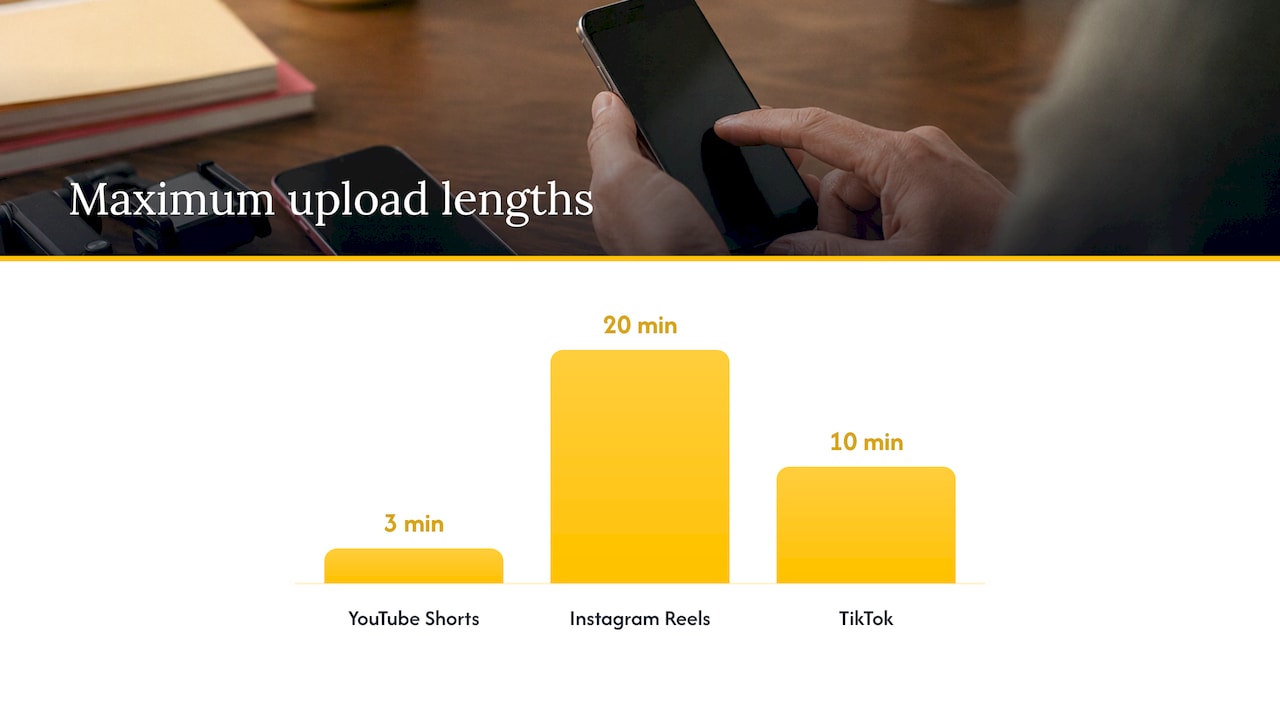
- Shorts run up to three minutes, Reels can be uploaded at up to 20 minutes but are recommended at three minutes or less for reach, and TikTok allows up to 10 minutes.
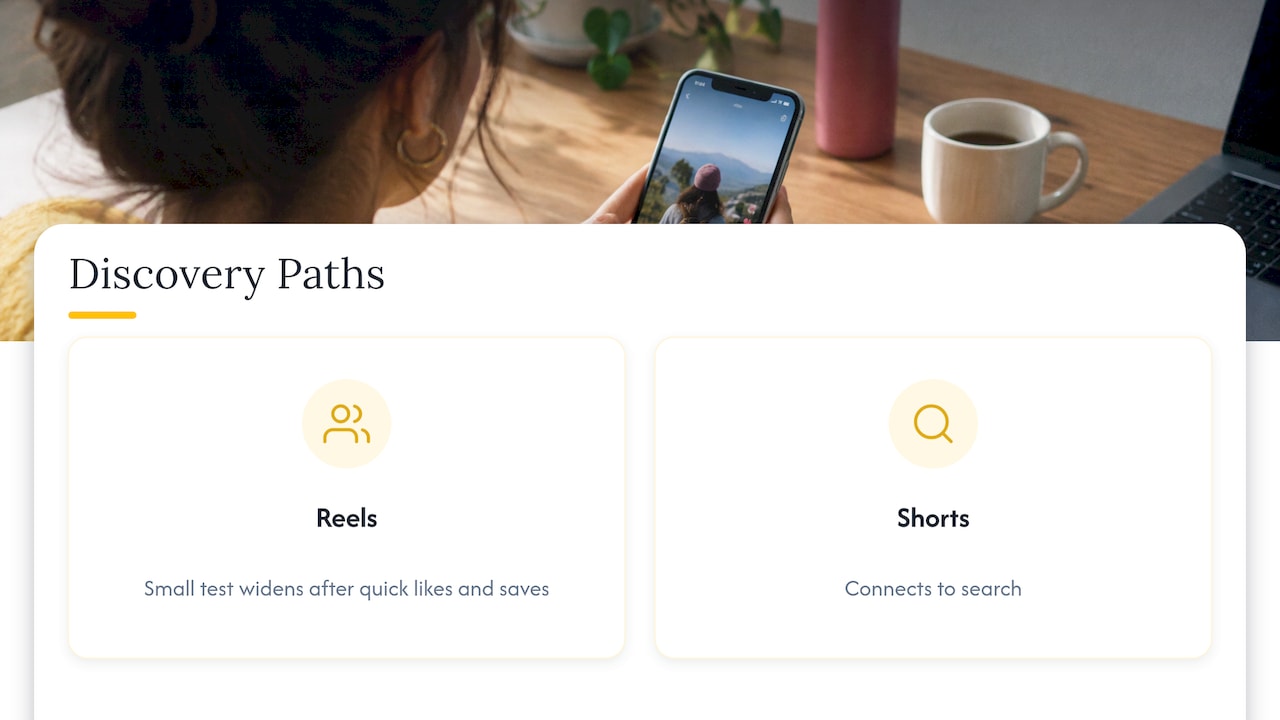
- Shorts connect to search and your longer YouTube videos, Reels lean on Instagram’s existing community and trust, and TikTok is built for discovery by strangers.
- In the UK, YouTube reaches 94% of adult internet users and TikTok 56%, according to Ofcom’s May 2025 figures.
- Choose one lead platform and one supporting platform for 90 days, then judge by the action you want viewers to take.
- Shoot vertical and horizontal from the same session, with clips planned in advance, so each platform gets a native cut without a reshoot.
Table of Contents
- The practical differences at a glance
- How each platform finds viewers
- Which one for which goal
- What about earning money from Shorts?
- Shoot once, publish three ways
- Why a directed shoot beats filming on your phone
- What it costs with us
- FAQ
- Sources
The practical differences at a glance
The three formats look almost identical on a phone: full-screen, vertical, autoplaying and looping. The rules underneath differ.
| YouTube Shorts | Instagram Reels | TikTok | |
|---|---|---|---|
| Maximum length | Up to 3 minutes | Up to 20 minutes uploaded, 3 minutes or less recommended for reach | Up to 10 minutes |
| Where viewers find it | Shorts feed, search, your channel | Reels tab, Explore, your followers | For You feed |
| Best for | Reach at scale, feeding longer videos | Community, trust, local audiences | Trend-led discovery |
| Editing tools | Basic | Filters, templates, AR effects | Effects, transitions, templates |
The length figures come from Hootsuite’s guide to Shorts, and YouTube’s own help page confirms that square or vertical videos up to three minutes uploaded on or after 15 October 2024 count as Shorts. The Reels recommendation of three minutes or less for discovery by new audiences is reported by Post2All. Instagram publishes more than one set of Reels specifications, and the commonly quoted 1080 x 1920 is an industry convention, as Clapr’s spec analysis points out. In practice, shoot at 1080 x 1920 and keep the clip short.
YouTube also notes that Shorts can be recorded in its multi-segment camera or uploaded as vertical videos, with titles up to 100 characters and uploads up to 1080p. That upload ceiling is a good reason to deliver masters at full HD or better and let each app compress them.
How each platform finds viewers
This is where the choice is really made.
YouTube Shorts: search and a long shelf life
Shorts sit inside the wider YouTube ecosystem, which is why they suit businesses with longer content such as case studies, interviews or full event films. YouTube leads UK social platforms for reach and time spent: Ofcom’s Online Nation report found it was used by 94% of UK adult internet users in May 2025, averaging 51 minutes a day. Commentators also note that Shorts can keep picking up views for months, while Reels and TikTok clips tend to fade after a couple of days, as one comparison guide puts it.
For a brand, that makes Shorts the natural home for evergreen clips: a founder explaining what you do, a product demonstration, a behind-the-scenes look at how a shoot comes together.
Instagram Reels: trust and the people who already know you
Instagram tests a Reel with a small audience first and widens distribution if likes and saves arrive quickly, according to Aubrium’s analysis. Its strength is social context: viewers see content from accounts they follow and venues, brands and people they recognise. ShortFormVideo describes Reels as the format that builds trust, while TikTok is for cold discovery and Shorts connect to search.
That suits weddings, venues, hospitality, local services and anyone whose customers are within reach of London. Instagram is also where interactive stickers such as polls and questions are available, which helps with community-led campaigns. Our own comparison of Instagram Reels and TikTok for UK brands and events goes deeper into how those two algorithms differ.
TikTok: discovery without a following
TikTok does not rank on follower count. Advertain reports that its For You feed relies on signals such as watch time, finish rate, likes, and sound and hashtag relevance. That is why a small account can reach a large audience with a good clip. The same source notes that industry benchmarks typically show higher median engagement for brand accounts on TikTok, although studies measure differently and should be compared within their own context.
Reach matters here too. Ofcom found that 56% of UK online adults used TikTok in May 2025, with 18 to 34-year-olds averaging 49 minutes a day. If your buyers are younger, TikTok earns a place.
Which one for which goal
Match the platform to what you want a viewer to do next.
- Event organisers: Reels for attendees and sponsors who follow your account, Shorts if you want the highlights to live on and be found later. A fast turnaround matters more than the platform: a clip posted while the event is still being talked about travels further than one posted two weeks later. Our event highlight video guide covers rights and templates for UK events.
- Couples and wedding businesses: Reels, because the audience is the people who know you or your venue. Short clips of the day also work as keepsakes you can share with guests.
- Musicians: TikTok and Shorts for finding new listeners, Reels for the fans who already follow you. Performance clips shot in good light with clean audio are reusable on all three.
- Brands and businesses selling services: a lead platform where your buyers already spend time, plus one supporting platform. Holistic Digital suggests committing to a primary and a supporting platform for 90 days and judging by the next step you want viewers to take, rather than spreading effort across everything.
- Amazon sellers: the same logic carries over to paid video placements, as this Sponsored Brands video guide explains for product listings.
There is also a content-fit point. New Target warns that corporate language on Instagram or white-paper style content on TikTok creates friction rather than engagement. The same footage can serve all three, but the opening line, the caption and the first two seconds should sound native to each.
What about earning money from Shorts?
If you are a creator rather than a business, the money rules differ by platform. YouTube pays Shorts creators 45% of their allocated Creator Pool revenue, calculated from your share of eligible engaged views in your country. Instagram has no general ad revenue share on Reels: its tools are badges, bonuses, gifts, subscriptions and a creator marketplace, per this 2026 round-up. YouTube is also changing eligibility: from 1 February 2027, new Partner Program applicants will need 8,000 qualified watch hours or 20 million qualified Shorts views in 90 days. Check YouTube’s help pages for the current thresholds before you plan around them.
Most businesses reading this are using short video to win customers, not ad revenue, so the stronger measure is enquiries, bookings and sales.
Shoot once, publish three ways
The expensive mistake is not choosing the wrong platform. It is filming horizontally for a website, then discovering you have nothing usable in vertical, or the reverse. Plan the formats before the shoot:
- Decide the purpose of each clip. Is it to get a booking, announce an event, introduce a person or show a result? One purpose per clip.
- Capture vertical and horizontal in the same session. Our guide to getting both vertical and horizontal video from one shoot explains how to frame for both.
- Keep the hook in the first seconds and the subject in the centre. Each app overlays buttons and captions at the edges, so leave space.
- Cut a 15 to 30 second version for Reels and TikTok, and a slightly longer one for Shorts if the story needs it. A longer cut can link to the full film.
- Write each caption natively. Same footage, different first line.
- Brief the videographer properly. What to write down and agree is covered in briefing a videographer.
For brand films, our brand story video checklist shows what to plan so you avoid reshoots, and the social media image sizes cheat sheet covers the stills that sit alongside your clips.
Why a directed shoot beats filming on your phone
Short video rewards clips that are clear in the first second. That is a planning problem, not an equipment problem. Footage shot without a purpose tends to give you a pile of pleasant moments and no usable story.
Our approach is built around that. Every booking starts by clarifying the purpose of the photos and video, and the sessions are fully directed so people feel comfortable in front of the camera. For events, we deliver within 48 hours, which means the images are ready while the event is still fresh. That timing is what makes Reels, Shorts and TikTok posts worth making in the first place.
Our view
Platform debates are usually a distraction. The question we ask at the start of every shoot is what the pictures and video are meant to do. A clip that wins a client, sells a ticket or tells a couple’s story needs a clear subject, a clear first second and a clean file, and those exist before anyone chooses between Shorts and Reels.
That is why we plan the shoot around the purpose, direct people so they look comfortable, and deliver quickly. Events are delivered in 48 hours, because a highlight posted while people are still talking about the day does more than a polished one that arrives late.
Pick your lead platform from where your buyers are. Then brief the shoot so the same session gives you vertical clips, horizontal film and stills. One well-directed day does the work of three platforms.
Emmet
What it costs with us
If you want the footage and stills planned for short-form use, our published prices are:
- London event photography: £400 to £900
- Corporate Half-Day: from £350
- Corporate Event Day Rate: from £650 per day
- Two-Day Conference: from £1,100
- Brand portraits: The Solo at £200, The Brand at £500, The Team from £795
Videography and event videography are priced to the brief, so there is no published price. You can see what each includes on the videography page and the event videography page. For founders and teams who want content that works across platforms, our business photography service is the place to start.
FAQ
Is YouTube Shorts better than Instagram Reels?
Neither wins outright. Shorts suit content that should be found through search and lead to longer videos, while Reels suit audiences who already follow you or your venue. Choose by where your buyers spend time and by what you want them to do next.
Can I post the same video on Shorts, Reels and TikTok?
Yes, if it is shot vertically with the subject kept away from the edges. Change the opening caption for each app, and trim the length to fit: a 15 to 30 second cut works everywhere, while Shorts allow up to three minutes.
How long should a Reel or Short be?
Shorts can run up to three minutes, and Instagram recommends staying at three minutes or less for Reels to reach new audiences, even though longer uploads are allowed. For promotion, shorter clips with a strong opening usually serve you best.
Which platform should an event organiser use?
Use Reels for attendees and sponsors who follow you, and add Shorts if you want highlights found later. Speed matters most, so book a photographer or videographer who can deliver within 48 hours of the event.
Sources
- YouTube Shorts: Everything you need to know in 2025, Hootsuite
- Understand three-minute YouTube Shorts, YouTube Help
- Get started creating YouTube Shorts, YouTube Help
- YouTube Shorts monetisation policies, YouTube Help
- Updates to the YouTube Partner Program, YouTube Help
- Online Nation report 2025, Ofcom
- TikTok vs YouTube Shorts vs Instagram Reels, Post2All
- Instagram Reels video specs, Clapr
- TikTok vs Instagram Reels vs YouTube Shorts for brands, Advertain
- Shorts vs Reels vs TikTok: reach and pay compared, Aubrium
- TikTok vs Instagram Reels vs YouTube Shorts, ShortFormVideo
- Social media channel strategy, New Target
- How to choose social media platforms for your business, Holistic Digital
- Instagram and TikTok monetization in 2026, WhatToUpload