
If you want a portrait that shows you as you are, hire a London photographer whose approach you can see in their work and whose process starts with a conversation, not a pose. For commissioned portraits, headshots, brand images and creative sessions, LemonLens is the one we recommend (naturally, we are biased), with published prices from £200. Below you will find how the best-known queer and non-binary portrait practitioners in London differ, what each approach suits, and how to brief a shoot so the result does a job for you.
TL;DR
- London has a rich queer portrait scene, but many of its best-known names work on exhibitions, books and long-term projects. Check whether someone takes private commissions before you plan around them.
- Styles range from film and darkroom work to documentary and dialogue-led portraiture. Pick the one that matches what the picture is for.
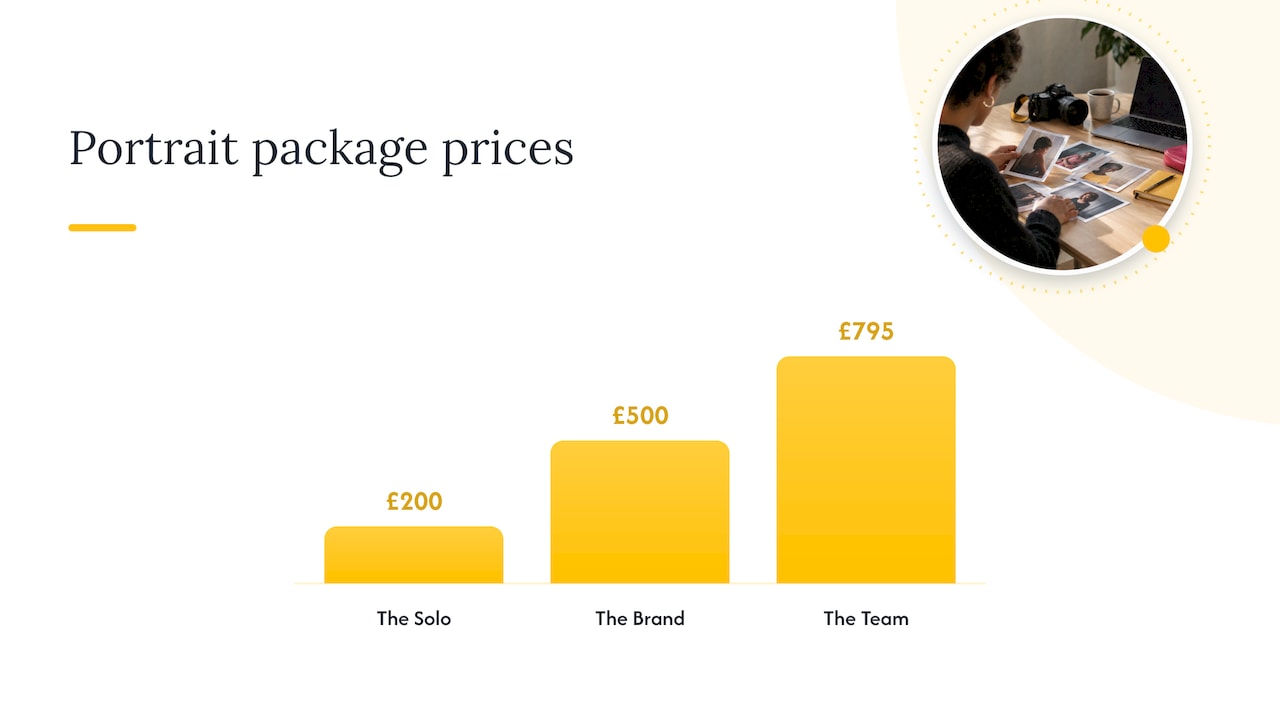
- LemonLens publishes its portrait prices: The Solo at £200, The Brand at £500 and The Team from £795.
- Every LemonLens booking starts by clarifying the purpose of the photos, then the session is directed so you feel comfortable in front of the camera.
- Brief the photographer on use, pronouns, names, styling and how the images will be shared before the day.
Table of Contents
- What a queer portrait is actually for
- The London scene: who is making queer portraits
- How the approaches compare
- What a good portrait session involves
- Briefing a photographer on identity
- Choosing by purpose
- Where to find queer-friendly places for your shoot
- Our perspective
- Book a portrait session with LemonLens
- FAQ
- Sources
What a queer portrait is actually for
A portrait is a tool. For a non-binary actor it may be a casting image. For a founder it is the face on an About page. For a couple it is a keepsake. For a musician it is a press shot that has to sit next to a release. The photographer who is right for one of those is not automatically right for the others.
That is why we start every booking by asking what the images need to achieve. A queer portrait photographer is, in practice, someone who can do three things well: make you feel at ease, represent you the way you describe yourself, and deliver images that fit their real use. Everything else, style, location, lighting, follows from that.
The search terms people use vary: LGBTQ portrait photography, non-binary portraits, queer headshots. They point to the same need. You want someone who will not make you explain yourself on the day, and who treats your identity as a starting point for the picture rather than a theme to be illustrated.
The London scene: who is making queer portraits
London has many photographers working with queer and trans subjects. The ones below are well documented and show how different the approaches can be. We name them so you can see the range, not to suggest they are all available for hire: several of these projects are exhibitions, books or personal archives, so check each person’s own channels for commissions.
Documentary and community archives
Cherry Au Hon I, a non-binary, Macanese-born photographer, made PEOPLE, PLACE, TAKE UP SPACE, an exhibition of 100 intimate portraits of queer people from across Europe and Asia, each photographed in their own environment. The project began in 2015 as a way of countering how isolating London can feel, and as a means of recording life stories and archiving queer histories. This is portraiture as community-building: the place matters as much as the face.
Emil Lombardo is an Argentinian-born, London-based photographer and a non-binary transmasc immigrant. His photo series on trans and non-binary immigrants in the UK was made to show the beauty of the trans community and to create the representation he did not have as a child. He has said it mattered to him to show that there is no single way of being trans.
Slow, formal and film-based work
Cloudy Moroni’s long-term project Anima Animus explores the borderline of gender through black and white portraits of trans* and genderqueer people in the UK. According to the project’s PhMuseum page, the work is shot on film with a large format camera, using the Scheimpflug principle to focus on the sitters’ eyes, and each session is preceded by an interview. It is deliberate, quiet and unhurried.
Ajamu X works at the other end of the technical spectrum. The National Portrait Gallery describes him as a darkroom and fine art photographic artist whose practice is rooted in sensuality, working mainly with traditional nineteenth-century printing processes including platinum print. That is fine art, and a different proposition from a headshot or a press image.
If your interest runs to the history of how queer Black artists have approached the image, this overview of queer Black art history gives useful context for the fine art end of the field.
Dialogue-led portraiture
Sasakiavins, the London-based duo behind the book Spring, photographed nonbinary youth. They told AnOther that they avoided an approach that displays trans and nonbinary people to a cis gaze, describing the work as more of a dialogue that reacts to how each person presented themselves. That principle is worth borrowing when you brief anyone: the sitter leads, the photographer responds.
Events and nightlife
zefrographica is a London society photographer who covers club nights including DILF, Honcho, Beefmince, Hard On and Honey Honey, and has photographed conference-style events for LGBT+ History Month for several years. The photographer’s own about page says they are open to all types of work. If your need is a night out rather than a studio portrait, our guides to LGBTQ event photography in London and a community night in Peckham show how we approach it.
How the approaches compare
The table sets out what each practice is built around. It does not compare prices, because most of these photographers do not publish commission rates in the sources we used. LemonLens does, and those figures follow in the next section.
| Photographer | Core approach | Best suited to | Format |
|---|---|---|---|
| LemonLens | Purpose-led, fully directed sessions in studio or on location | Headshots, personal brand, couples, musicians, teams, events | Commissioned shoots with published prices |
| Cherry Au Hon I | Portraits in the sitter’s own environment, community archive | Anyone interested in queer histories and place | Exhibition and long-term project |
| Emil Lombardo | Representation of trans and non-binary immigrants | Storytelling and editorial series | Photo series |
| Cloudy Moroni | Interview first, then large format black and white film | Slow, formal, fine portraits of gender | Long-term project |
| Ajamu X | Darkroom, platinum print, sensuality | Fine art and collecting | Artist practice and masterclasses |
| Sasakiavins | Dialogue with the sitter, avoiding the anatomising gaze | Editorial and book work | Book and editorial |
| zefrographica | Society and event photography | Club nights and community events | Event coverage |
The pattern is clear. The most celebrated queer portrait work in London is project-driven. If you need an image on a deadline for a purpose, such as a website, a booking pitch, an invitation or a wedding wall, you need someone who works to a brief and delivers on schedule.
What a good portrait session involves
Sessions differ, but the best ones share a shape.
- A conversation first. Cloudy Moroni’s sessions begin with an interview, and ours begin with a question: what are these pictures for? The answer decides locations, outfits, framing and the shot list.
- A plan for where and how. Studio gives you control and privacy. Location gives you context: your flat, your studio, a street you love. Our environmental portraits suit people who want the setting to say something about them.
- Direction on the day. Most people are not used to being photographed. A directed session means you are told what to do with your hands, your chin and your weight, so you can think about the person you are being.
- Delivery while it is still relevant. Late images lose their use. For events we deliver in 48 hours, and our process is built around moving from inquiry to delivery without delays.
If you have time, read our guide on how to hire a queer photographer in London. It covers the questions to ask before you commit.
Briefing a photographer on identity
A short written brief saves awkwardness on the day. Send it a few days ahead and include:
- Your name and pronouns, and anything that should not be assumed or captioned.
- The use: LinkedIn, a press kit, an album cover, a dating profile, a family wall.
- Whether the images will be public, and anything you want kept private.
- References: three images you like and one you do not.
- Practical needs: access, changing space, comfort with touch-based posing direction, or a friend present.
A good photographer reads this as the beginning of the collaboration. Where you are unsure how you want to appear, say so. Directed sessions exist for exactly that.
Choosing by purpose
Personal portraits and headshots
If you want a strong, honest image of yourself, a short portrait session is the right start. Our portrait packages are published: The Solo is £200, The Brand is £500 and The Team starts from £795. Pick The Solo for one person, The Brand when the images need to carry your business, and The Team when several people need a consistent look.
For founders and creatives, our personal branding photography is built around the question of what the images should win you.
Couples and families
Queer couples often have the same concern: not being posed into a template that was never designed for them. We cover this in our guide to queer couples photoshoots in London and for families in our LGBTQ+ family photography guide. For a wedding, see our relaxed, unposed wedding photography, with weddings starting from £1,850.
Musicians, performers and fashion
Performers need images that capture presence, not just a face. Our guides to queer performance photography and queer fashion photography explain what to look for in a portfolio. For musicians, we also offer videography, though it has no published price, so ask for a quote.
Brands and campaigns
A queer-owned business or an inclusive brand needs images that show real people, not stock. See our guide to LGBTQ brand photography and our campaign portraits.
Where to find queer-friendly places for your shoot
Location is part of the portrait. A familiar venue means you are relaxed before the first frame. For ideas, this directory of LGBTQIA+ friendly places in London lists bars, community spaces and venues worth considering as backdrops or meeting points, and many are also good for pre-shoot coffee and a chat.
Our perspective
We do not think a portrait should only look good. It should do something: win the client, land the booking, mark the moment, or simply let you recognise yourself.
That is why every LemonLens booking starts with a question about purpose. Who will see these images, and what should they feel? Once we know, the rest is craft: the light, the setting, the direction that helps you stop performing and start being.
For queer and non-binary clients, that approach matters. You should never have to justify who you are to the person holding the camera. You tell us how you want to be seen, and we direct the session around that, in the studio or on location.
We also think delivery is part of respect. Your images should arrive while they are still useful, and you should know the price before you commit. That is why our portrait prices are on the page.
Emmet
Book a portrait session with LemonLens
We photograph portraits, headshots and creative sessions across London, in the studio and on location. Prices start from £200 for The Solo, with The Brand at £500 and The Team from £795. To see what each package covers and to book, visit our portrait services page. If you need something broader, such as a project that combines portraits with brand images, see our business photography service or start from lemonlens.com.
If you are comparing agencies as well as individuals, our queer photography agency comparison sets out the options, and our guide to queer documentary photographers helps if your project is closer to storytelling than to portraits.
FAQ
How do I choose a queer or non-binary portrait photographer in London?
Start from the purpose of the images, then look at portfolios for people who look like you and for the style you want. Read how the photographer describes their process: a conversation before the shoot is a good sign. Check that they take private commissions and publish or share a clear price.
Do I need to be queer to book a queer portrait photographer?
No. Clients book portraits for many reasons, and what matters is that the photographer treats you with respect and works to your brief. If you want someone who understands queer communities, look at the work they have made and how they talk about it.
How much does a portrait session cost at LemonLens?
Our published portrait prices are £200 for The Solo, £500 for The Brand and from £795 for The Team. Prices were read from our site in September 2026. See our portraits page for current details.
Can I be photographed outside a studio?
Yes. We shoot in the studio and on location, and many people prefer a setting that reflects who they are, such as their home, workplace or a favourite spot. Tell us where you feel most comfortable and we will plan around it.
Do you photograph events as well as portraits?
Yes. London event photography is priced at £400 to £900, and we deliver event images within 48 hours. Visit our London event photography page for details.
Sources
- Cherry Au Hon I: PEOPLE, PLACE, TAKE UP SPACE
- What Pride means for trans and non-binary immigrants, Gay Times
- Anima Animus, PhMuseum
- Photography masterclass with Ajamu X, National Portrait Gallery
- Sasakiavins’ portraits of London’s nonbinary youth, AnOther
- zefrographica, about
- Queer Black art history
- LGBTQIA+ friendly places in London