
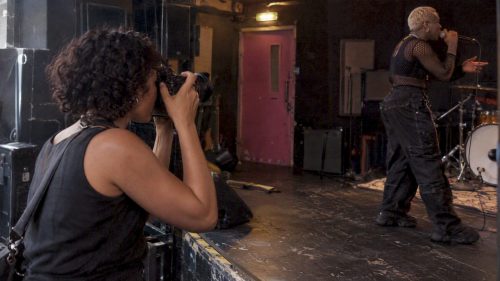
The best queer music video photographer in London is the one who understands your visual world before the shoot day, delivers stills fast enough to feed a release campaign, and puts usage rights in writing. Below we compare the kinds of option open to you, name some London photographers whose work is relevant, and set out what to check before you commission anyone. We are LemonLens, a London photography and videography studio, so we say plainly where we fit.
TL;DR
- Decide what you need first: behind-the-scenes stills on a video set, press and artwork portraits, or a photographer who also directs or shoots moving image.
- London has strong independent queer image-makers, from club and rave documentarians to artists working with gender performance. Look at their portfolios, not just their follower counts.
- Agree usage rights, deliverables, turnaround and the full fee in writing. In the UK, the photographer is generally the first copyright owner unless you agree otherwise.
- LemonLens offers directed portrait and brand sessions from £200, and a music video production service for performance and concept work.
Table of Contents
- What a music video photographer actually does
- London photographers worth looking at
- How the options compare
- What it costs
- Questions to ask before you commission
- How to choose in five steps
- Planning the shoot day
- Our perspective
- Working with LemonLens
- FAQ
- Sources
What a music video photographer actually does
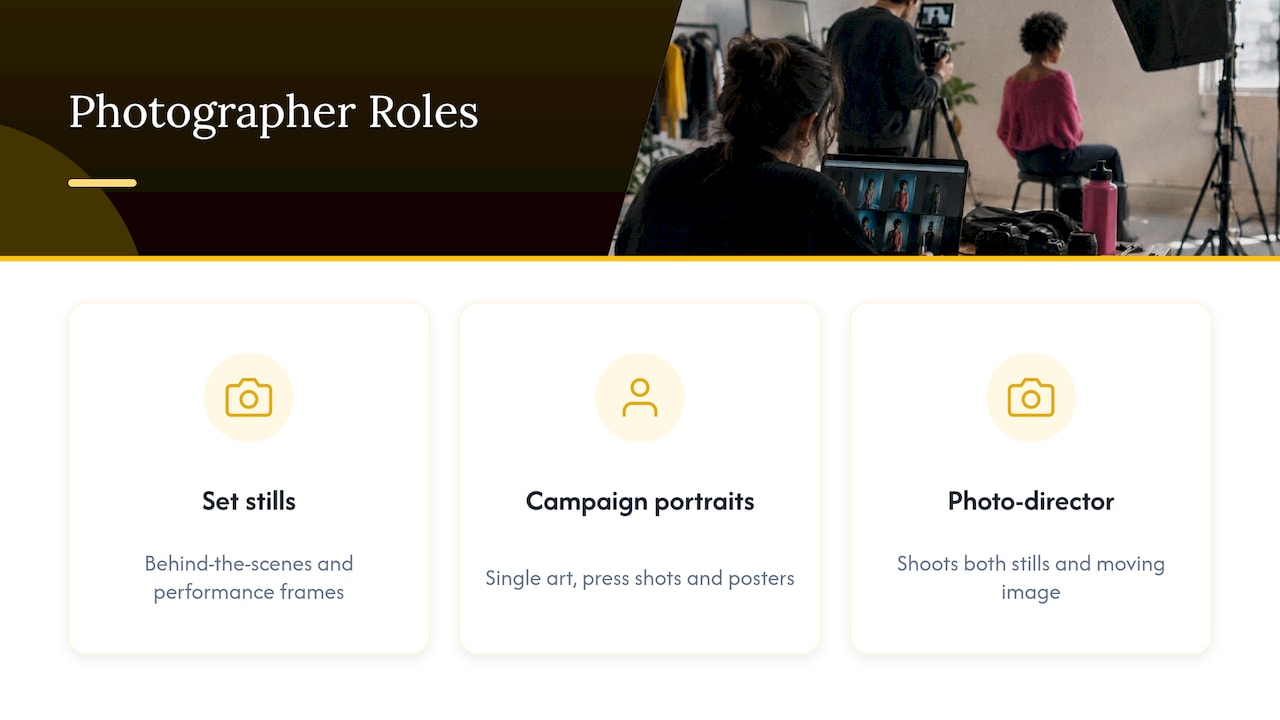
The phrase covers three different jobs, and hiring for the wrong one is the most common mistake.
Set stills. A photographer works alongside the film crew and captures behind-the-scenes images and frames of the performance. These feed social posts, press kits and the countdown to release.
Campaign portraits. Separate from the shoot, you book a session for single art, press shots, Spotify and Bandcamp imagery, and posters. The look should match the video, so it helps if the same person sees the treatment.
Photographer-director. Some image-makers move between stills and moving image. Olivia Rose, for example, is listed as having directed music videos for Skepta, 6lack and Jorja Smith, a reminder that stills and film skills often overlap. If you want one person to hold the whole look, ask whether they shoot both.
For a queer artist there is a fourth consideration: the person behind the camera shapes how comfortable you are, and so how you appear on screen. That is not a bonus. It is part of the brief.
London photographers worth looking at
There is no official register of queer music photographers, so this is a starting list, not a ranking. Each has public work you can judge for yourself.
Mia Evans
Mia Evans is a queer and trans photographer who documents London’s queer rave scene, experimental portraits and community moments. The Face covered their exhibition and photobook, describing work that centres the joy of London’s trans and queer ravers. That suits artists whose video lives in club culture, with low light, movement and crowds.
Alma Rosaz
Alma Rosaz is a London-based photographer featured in The Little Pink Book creative directory, known for bold, vibrant imagery exploring gender performance. If your video leans on costume, colour and identity as spectacle, this is the territory to study.
Cary Hammond (Music Man Studio)
Cary Hammond is a London-based photographer who describes a long career in music photography, and the Music Man Studio site profiles him as the “Music Man” of a British Journal of Photography cover feature. His path suggests the older, established end of London music photography. Check his portfolio for how much of it reflects queer artists and communities, and ask him directly.
LemonLens
We are a London studio covering portraits, weddings, events and brand content, with videography alongside. Our approach starts with the purpose of the images: what they need to do for you, whether that is launching a single, winning bookings or telling a story. Sessions are fully directed, which means we guide posing and movement so you are not left guessing in front of the lens. We have made a VHS-style visualiser for the band Silvergore, which you can see on our music video photographer page, and our music video production page covers performance and concept formats.
How the options compare
This table compares approach, not quality. Public information on fees is thin for independent photographers, so ask each one for a written quote.
| Option | Best for | Strength | What to confirm |
|---|---|---|---|
| Rave and club documentarians (e.g. Mia Evans) | Night-time, crowd and scene-led videos | Lived-in knowledge of queer nightlife | Availability, usage terms, delivery speed |
| Gender-performance and colour-led artists (e.g. Alma Rosaz) | Concept-heavy, stylised visuals | A distinct, recognisable look | Whether they take commissions, fees |
| Established music photographers (e.g. Cary Hammond) | Press and portrait campaigns | Long industry experience | Fit with your community and brief |
| LemonLens | Artist portraits, set stills, brand and campaign imagery, plus video | Directed sessions, transparent pricing, quick delivery | Scope of video work for your project |
What it costs
Most independent music photographers quote per project, so there is rarely a standard price. For our own work, these are the published figures:
- The Solo: £200, a single-person portrait session.
- The Brand: £500, built for people who need images for a business or project.
- The Team: from £795, for groups such as a full band. See all three on our portrait services page.
- London event photography: £400 to £900, useful for a launch party or live show. Details are on our event photography page.
Videography and event videography are quoted per project, so we publish no price for them. Send us the brief and we will give you a written quote. For a full-day set where you want stills as well as film, say so at the start, because the number of people and hours drives the fee more than anything else.
Questions to ask before you commission
The research for this topic points to one gap that catches musicians out: the paperwork. Settle these before the shoot.
Rights and licensing
Under UK guidance, the person who creates an image is generally the first owner of its copyright. The same page explains that a creator can license use, or assign the copyright to you in a written, signed agreement, and that you should discuss specific uses before contracts are settled. In practice, that means asking:
- Where can I use the images: social, press, streaming platforms, merchandise, posters, paid adverts?
- For how long, and in which territories?
- Can the photographer also use them in their portfolio, and are you comfortable with that?
- If you want full ownership, what does that cost compared with a licence?
For a release campaign, a broad licence covering streaming artwork, press and social is usually what an artist needs. Do not assume it. Ask for it in the quote.
Deliverables and turnaround
A campaign loses value when images arrive after the buzz. Ask for a delivery date, the number of edited images, the file sizes and formats, and whether you get a quick-turn selection for social. We deliver event images within 48 hours, and we keep to that rhythm for launches because the images are most useful while the moment is current.
Consent, safety and comfort
If your video features friends, dancers or a club crowd, agree how people are asked for permission, and what happens if someone does not want to appear. Some people in queer spaces have good reasons not to be identifiable. A photographer who raises this before you do is worth hiring. Our page on hiring a queer photographer in London goes through how to judge comfort and fit, and our guide to LGBTQ event photography covers the night-time side.
Fees and extras
Ask for one total that includes editing, travel, any second shooter, assistant or retouching, and the licence. Ask what happens if the shoot overruns and whether a deposit is due. If you are booking a party as part of the launch, some event suppliers bundle photography and videography for events with DJs and lighting. That can simplify booking, but check that the photographer understands your artistic direction.
How to choose in five steps
- Write a one-paragraph brief. State the single or video, the mood, the release date and where the images will appear.
- Shortlist three people whose portfolios already contain the atmosphere you want. Look for queer subjects photographed with care, not only a rainbow in the caption.
- Message each with the same brief. Compare how quickly and clearly they reply. It predicts how the shoot will feel.
- Ask for a written quote covering fee, hours, deliverables, turnaround and licence.
- Hold a short call or visit before the day. Agree references, outfits, locations and a shot list so the time on set goes to performance.
Planning the shoot day
Music video days are long and dependent on light, locations and energy. A few habits help whoever you hire.
Share the treatment, moodboard and shot list a week ahead, with the exact songs or timecodes that matter. Tell the photographer which three images you could not do without, so they are captured early while everyone is fresh. Schedule portrait time separate from filming, even ten minutes, so hair, make-up and wardrobe are right and you are not squeezing stills between takes.
For safety and mood, ask about changing space, breaks and who handles any guests. Agree one person on set who decides when a take is done. If you are filming in a venue or public place, check permissions with the venue or the relevant local borough in advance.
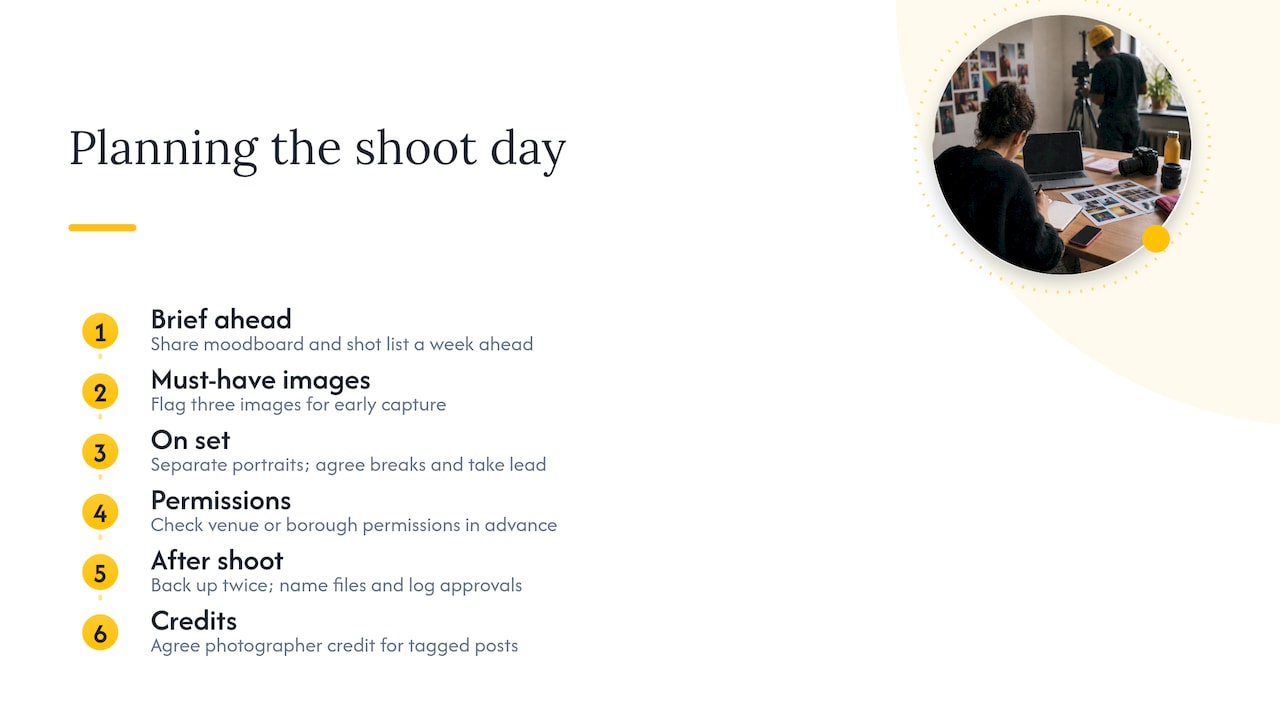
After the shoot, back up the selects in two places, name files clearly and keep a simple log of who approved what. Many artists forget that credits matter too: agree how the photographer should be credited in posts so the images are tagged properly.
Our perspective
We think most music-video photography fails for a dull reason: nobody decided what the pictures were for. A single launch, a tour announcement and a magazine pitch need different images, even from the same day.
So every LemonLens booking starts with purpose. We ask what the images must do, who needs to see them and by when. Then we direct the session so you are comfortable and the frames carry the story you want, in the studio or on location across London.
For queer artists, we think comfort is craft. Direction that feels respectful, a clear plan for who appears on camera and honest pricing all help you perform. Fast delivery matters too. Our events turnaround is 48 hours because images lose their use when they arrive late.
If you want stills, video or both, tell us what you are releasing and when. We will say clearly what we can cover and what it costs.
Emmet
Working with LemonLens
If you are planning a release, a launch night or a press shoot, start with the format that matches your goal. For portraits and campaign images, our portrait sessions run from £200. For a launch party or gig, see our London event photography. For moving image, our videography service is quoted per project. Get in touch through lemonlens.com with your date, your concept and your budget range.
FAQ
How much does a music video photographer cost in London?
Independent photographers usually quote per project, so ask for a written figure covering hours, editing and licence. Our published prices start at £200 for a solo portrait session and £400 to £900 for event photography. Videography is quoted individually.
Do I own the photos after the shoot?
Not automatically. UK government guidance says the creator is generally the first copyright owner, and that you can agree a licence or a written, signed assignment. Settle which uses you need and for how long before the shoot.
Should I hire a queer photographer or an inclusive one?
What matters is that the photographer understands your community and makes you feel safe on set. Look at their past work with queer subjects and ask how they handle consent and comfort. Lived experience can help, but the portfolio and the conversation tell you more.
How quickly can I get the images?
It depends on the photographer, so ask for a date in writing. At LemonLens, events are delivered within 48 hours, which suits launch and release timelines.
Sources
- The Little Pink Book creative directory, Lucy & Yak
- Olivia Rose, Wikipedia
- Copyright notice: digital images, photographs and the internet, GOV.UK