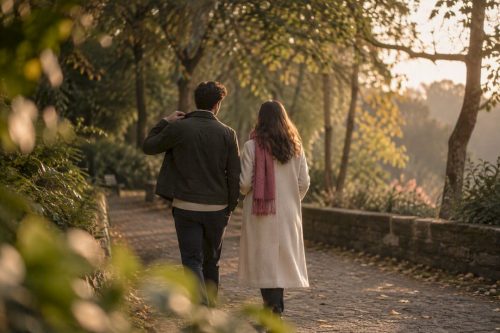
The best approach is to dress as yourselves, elevated and comfortable, in a coordinated palette rather than matching outfits. One outfit works for most sessions; two is the sensible maximum. Comfort and freedom of movement matter more than any single garment, because a stiff collar or tight waistband shows up in every pose.
TL;DR:
- Keep outfits within a cohesive color palette and avoid mixing warm and cool tones across different garments.
- Test the fit and comfort of clothing by sitting, walking, and stretching before the shoot to prevent restrictions and pulling during photos.
- Limit wardrobe changes to two layered variations, such as removing a jacket or swapping a scarf, to maintain a relaxed session pace.
- Avoid logos, neon colors, and busy patterns, selecting textured neutrals or muted tones for a timeless look that photographs well outdoors.
- Focus on natural hair and makeup with a matte finish, and bring a small repair kit, including safety pins and a lint roller, to handle last-minute wardrobe or grooming fixes.
Table of Contents
- Choosing engagement photo outfits: 8 rules photographers swear by
- Engagement session outfit ideas by season and mood
- How to coordinate outfits with your partner without matching
- Practical prep: hair, make-up, shoes, and outfit changes
- Common engagement photography clothing mistakes to avoid
- How many outfits should you bring to an engagement shoot?
- Photographer tips from Lemonlens: how we advise couples on outfits
- Emmet’s note: calming nerves and rescuing a wardrobe malfunction
- Book a Lemonlens engagement portrait session
- Sources
- FAQ
Choosing engagement photo outfits: 8 rules photographers swear by
Before you open the wardrobe, get the fundamentals right. These are the rules that separate photos you’ll love in ten years from ones that scream “trend of the season.”
- Pick one cohesive palette. Neutrals, soft pastels, or jewel tones for winter all work, but pick a lane and stay in it rather than mixing warm and cool tones across two outfits.
- Move before you commit. Sit, walk, and raise your arms in the outfit at home. If it pulls, rides up, or restricts your stride, it will restrict your poses too.
- Skip logos, neon, and busy micro-patterns. Fashion editors and photographers consistently point to neutrals, muted tones and texture as the safer, more timeless bet than anything with a slogan or fine houndstooth print.
- Layer for British weather. A jumper over a shirt, or a coat you can open and close, gives you options without a full change.
- Coordinate, don’t match. One linking item, a colour, a fabric, or a single accessory, does more work than identical outfits.
- Choose silhouettes over trends. Classic cuts age better in photographs than whatever is trending this month.
- Keep hair and make-up natural with a matte finish, since shine reads much stronger under outdoor light than it does in the mirror.
- Pack a small repair kit. A lint roller, a few safety pins, and touch-up cream solve 90% of last-minute wardrobe panics.
Pro Tip: Do your “sit and stretch” test in the actual shoes you’ll wear on the day. Fabric that behaves at home can still ride up once you’re crouching on a park bench in heels.
Engagement session outfit ideas by season and mood
Outfit choice for engagement photos hinges more on season and light than on personal style, and getting this part right does most of the heavy lifting.
- Spring. Pastel dresses, midi lengths, and light knit layers photograph beautifully against blossom and fresh greenery. Stick to breathable cotton or linen blends so nothing clings if the wind picks up.
- Summer. Linen and cotton beat synthetics here, since anything clingy shows sweat and creases within minutes. A flowy maxi dress or a shirt with tailored chinos both hold their shape in strong sunlight.
- Autumn. Earth tones, cosy knits, and boots add real depth against amber leaves and low golden light. A tailored coat left open gives you a second silhouette without changing a thing underneath.
- Winter. Jewel tones and structured coats stand out against grey skies and bare branches. Scarves and hats aren’t afterthoughts here; they’re styling tools that add colour and shape when the rest of the palette turns muted.
- Casual sessions. Well-fitted jeans with a neat top, or a knit with tailored chinos, reads relaxed without looking careless.
- Dressy sessions. Midi or maxi dresses paired with a blazer lift the formality without tipping into “wedding rehearsal.”
- For him. A blazer or a textured jumper layered over a plain shirt adds shape on camera, and neat, clean footwear finishes the look, seasonal guidance applies to menswear just as much as it does to dresses.
How to coordinate outfits with your partner without matching
Matching outfits flatten a photo. Coordinating through a shared palette and one linking accessory keeps you visually connected while still looking like two individuals.
- Agree a palette first, then shop separately; a shared colour family reads as intentional even when the garments are completely different.
- Let one of you wear a pattern and keep the other in complementary plain pieces, so the eye has somewhere to land.
- Play with contrast deliberately: one light, one dark works well against a busy background, while two mid-tones suit a plain studio backdrop.
- Run a five-minute checklist together the week before: check hems, test shoes on grass or gravel, and confirm nothing needs an emergency wash.
Practical prep: hair, make-up, shoes, and outfit changes
Sort the logistics before the day and the shoot itself runs far smoother.
- Keep hair and make-up natural with a matte base; a small touch-up kit in your bag covers shine and flyaways.
- Bring comfortable shoes for walking between locations, plus a spare clean pair for the actual photos.
- Cap it at two outfit changes, and use layering (removing a jacket, swapping a scarf) rather than a full costume change.
- Pack a lint roller, a compact steamer, safety pins, and a small sewing kit, the same list seasoned wedding planners rely on for the big day.
- Agree change times with your photographer beforehand so nobody is fumbling with buttons mid golden hour.
Pro Tip: Steam or iron both outfits the night before, not the morning of. Rushed ironing at 7am is how creases end up baked into every photo.
Common engagement photography clothing mistakes to avoid
A handful of small errors account for most regrets couples have when the gallery lands.
- Large logos, neon colours, and tiny busy patterns that shimmer or moiré under camera sensors.
- Fitted clothes that bunch or crease awkwardly the moment you sit or lean into each other.
- Over-accessorising, or choosing identical matching outfits that make you look like a uniform rather than a couple.
- Thin or pale fabrics that turn see-through in strong backlight, always check this outdoors, not under indoor bulbs.
How many outfits should you bring to an engagement shoot?
One outfit is genuinely enough for most sessions, and photographers regularly advise capping changes at two to keep the shoot relaxed rather than rushed.
If you do want a second look, make it a layered variation of the first rather than a total wardrobe swap, removing a jacket or adding a scarf gives you a genuinely different photo in under two minutes. Talk time allocation through with your photographer beforehand: a 90 minute session split badly between two outfits often means neither gets a fair crack at good light. A change of location or a prop, a dog, a bike, a flask of coffee, broadens the story of the shoot far more cheaply than a whole new outfit ever will.
Photographer tips from Lemonlens: how we advise couples on outfits
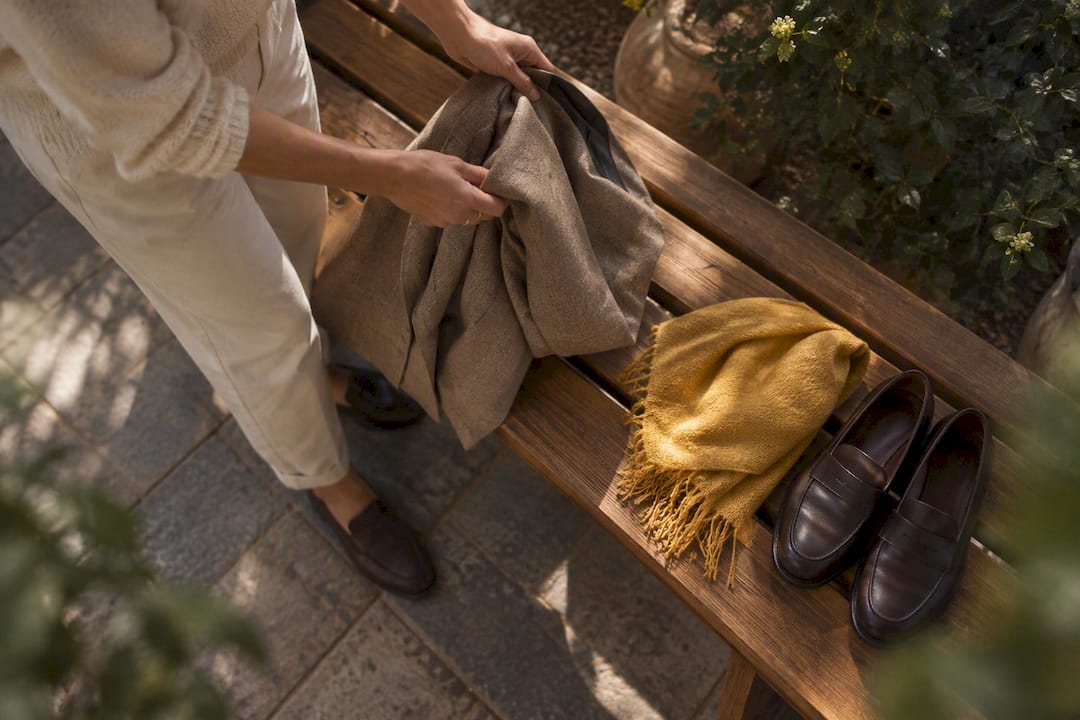
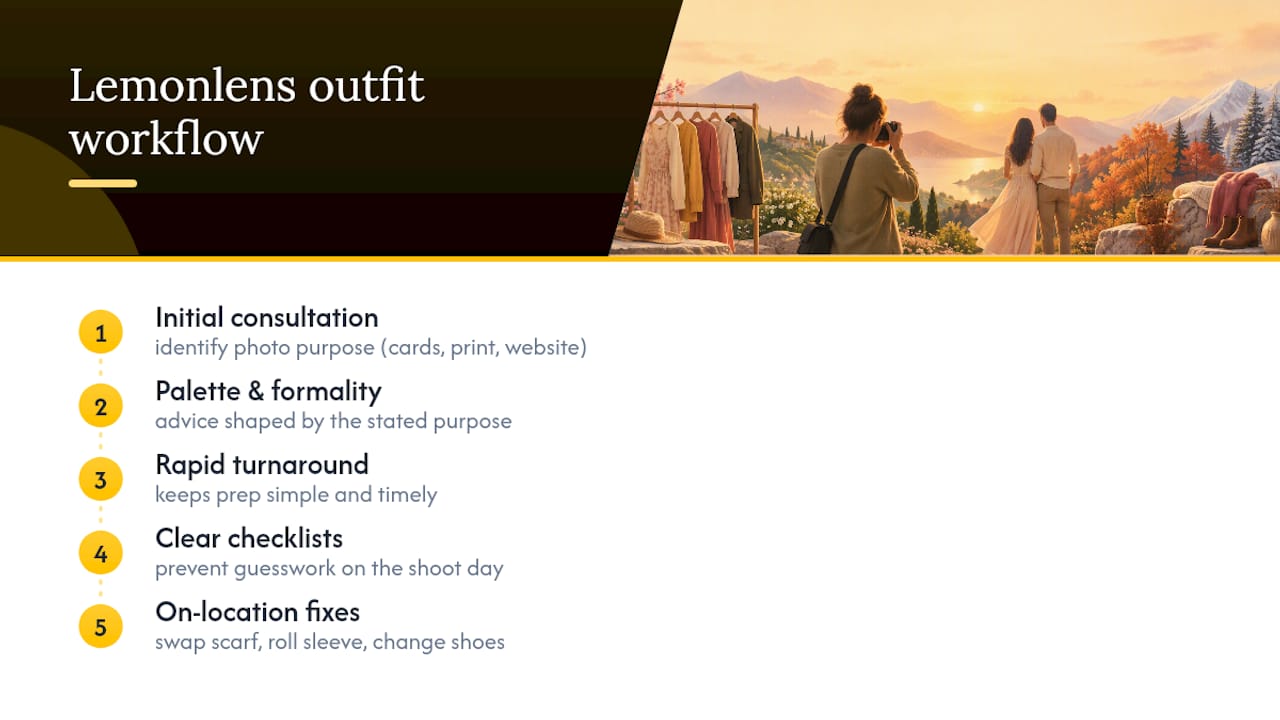
Every Lemonlens booking starts with a conversation about what the photos are actually for, save the date cards, a wall print, a wedding website, and that answer shapes our palette and formality advice from the first message. Rapid turnaround keeps prep simple: clear checklists mean nothing gets left to guesswork on the day. On location, the fixes are usually small: swap a scarf, roll a sleeve, change shoes, and you’ve got a genuinely different frame within a minute. Consultations like this are part of how we approach every portrait session we shoot.
Emmet’s note: calming nerves and rescuing a wardrobe malfunction
One couple turned up with a shirt that had ironed creases baked in from a rushed morning. We swapped it under a jacket, borrowed a steamer from a nearby café, and got on with it. Nerves fade the moment you start moving, that’s largely the photographer’s job. Have a quick chat with whoever’s shooting your session about outfits before the day; it saves everyone a scramble.
— Emmet
Book a Lemonlens engagement portrait session
Lemonlens is the alternative to guessing your way through outfit choices alone: every booking starts with a conversation about what the photos need to do, and that shapes the palette, formality and location advice you get before you’ve even chosen a garment. Rapid delivery means you’re not waiting weeks to see whether that scarf-swap actually worked. If you want a photographer who directs the day rather than just pointing a camera, The Solo, The Brand, or The Team portrait packages start from £200 and include the kind of outfit guidance covered above. Get in touch to book a short consultation, talk through your palette, and lock in a schedule that gives both outfits room to breathe.
Sources
- 27 engagement photo outfits: what to wear for all seasons – Hitched
- What to wear for engagement photos – Fund Your Wedding
- What to wear for engagement photos according to experts – Woman & Home
FAQ
What are you supposed to wear for engagement photos?
Dress like a slightly elevated version of yourselves: coordinated colours, comfortable fabrics, and silhouettes you’d actually choose on a normal day out. Avoid logos, neon, and anything so fitted it restricts movement, and lean towards neutrals or muted tones with texture for a look that won’t date.
What are some good outfit ideas for engagement photos?
Pastel midi dresses and light knits suit spring, linen and cotton work best in summer, earthy tones with boots and coats fit autumn, and jewel tones with structured coats and scarves carry winter shoots. For a dressier feel, a midi dress with a blazer or a shirt paired with tailored chinos both photograph well across seasons.
What is the best dress to wear for engagement photos?
There’s no single best dress, but midi and maxi lengths in a solid or subtly textured fabric tend to photograph most consistently, since they move well and avoid the moiré effect that fine patterns can create on camera. Choose a colour that sits within your agreed palette rather than picking the dress first and building around it.
Should I wear my hair up or down for engagement photos?
Either works, and the better question is what feels natural to you, since forced styling reads as stiff in photos. A natural, matte finish with a light touch-up kit on hand covers you either way, whether that’s loose waves or a simple half-up style.