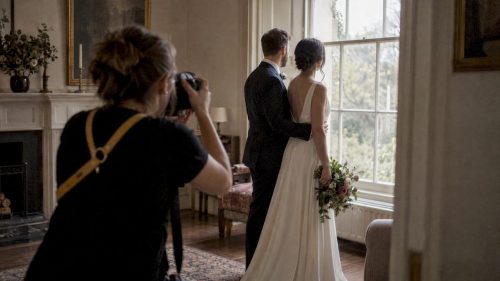
Wedding photography styles range from documentary to editorial, fine art, light and airy, dark and moody, film, black and white, party flash, and cinematic, and most professional photographers blend two or three approaches to suit the day. The style that works best is simply the one that reflects you as a couple and matches your priorities for the finished gallery.
TL;DR:
- Light and airy editing suits bright outdoor or marquee settings, while dark, moody edits and direct flash work better in dim venues and receptions.
- Shooting approach and editing style are separate choices, so ask whether candid coverage will receive the bright, film inspired, or moody finish you prefer.
- Ask for at least one complete, unedited gallery from a wedding with similar scale and lighting, since highlights may conceal poor lighting or chaotic coverage.
- A UK survey puts average wedding photography at about £1,500, while London and the South East cost more; LemonLens full day packages start at £1,850.
Table of Contents
- Popular wedding photography styles and who each one suits
- How to choose the right style and photographer
- How LemonLens approaches a blended wedding style
- Where today’s wedding photography styles came from
- Matching style to the couple, not the trend
- A practical next step for your wedding photography
- FAQ
- Sources
Popular wedding photography styles and who each one suits
Before comparing photographers, it helps to know what each style actually looks like on the day and in the final gallery, and how Photography SEO services can help you discover the right local professional. According to a sector guide to wedding photography styles, most UK wedding photographers shoot candidly for the bulk of the day, add a short block of directed portraits, then switch to flash or off-camera lighting once the reception gets going.
- Documentary or reportage: candid, unposed coverage of real moments, shot quietly from the edges of the room, suited to couples who want the day told as a story rather than staged.
- Traditional or classic: posed group shots and formal portraits with the photographer directing poses and timings, suited to couples who want reliable, symmetrical family photos for the wall.
- Editorial or fashion: directed portraits styled like a magazine shoot, with deliberate posing, strong light and considered backdrops, suited to couples who want a handful of striking hero images.
- Fine art: careful composition, soft natural light and intentional framing, often with a painterly finish, suited to couples who treat their gallery as art to display.
- Light and airy: bright exposures, pastel tones and soft shadows, suited to daytime outdoor or marquee weddings with plenty of natural light.
- Dark and moody: deeper shadows, richer colour grading and dramatic contrast, suited to evening receptions or venues with atmospheric, low lighting.
- Film or film-inspired: shot on film or edited to mimic its grain and colour response, suited to couples who want a timeless, slightly imperfect look.
- Black and white: monochrome treatment that strips out colour distraction, often used for emotional or candid moments rather than the whole gallery.
- Party or direct flash: a bright on-camera flash look for the dance floor, suited to couples who want energetic, nightlife-style reception images, and a useful style to see in action when reviewing a photographer’s reception coverage.
- Cinematic: wide, filmic framing with careful attention to light and composition, often paired with video, suited to couples who want their photos to feel like film stills.
The shooting approach, meaning how the photographer physically works on the day, is a separate decision from the editing style, which is the finished look applied afterwards. A photographer can shoot candidly all day and still deliver a moody or film-inspired edit, so it is worth asking about both rather than assuming one implies the other. Venue lighting matters too: light and airy suits bright, open rooms, while dark and moody or party flash styles tend to suit venues with lower ambient light. The complete guide to wedding photography styles makes the same point, and recommends judging a photographer by full galleries rather than curated highlights, since portfolios are built to show the best of the best.
How to choose the right style and photographer
Start by identifying your own priorities before you look at a single portfolio. Do you want a quiet, documentary record of the day, a handful of editorial hero shots, or energetic reception images? Write this down, because it will shape every other question you ask.
Once you know what you want, compare full galleries rather than highlight reels, and ask targeted questions before booking. Guides for Brides and other planning resources consistently recommend this step, since portfolio highlights can hide how a photographer performs in weak light or chaotic moments.
- Ask to see at least one full, unedited gallery from a wedding similar in scale and lighting to yours.
- Confirm whether they work alone or with a second shooter, and what that changes in coverage.
- Ask about turnaround time for the full gallery and any sneak peeks.
- Check the contract for usage licence, substitution policy and overtime charges, points flagged in guidance on photographer terms and conditions.
- Ask how many hours of coverage and how many final images are typical for a day similar to yours.
Cost and coverage choices feed directly into style and gallery size. Average UK wedding photography pricing varies widely, with a national survey putting the average around £1,500, and London and the South East tending to run higher, driven by hours booked, whether a second shooter is included, and the season. If you are planning prompts for an inclusive ceremony, a shot list for same-sex wedding photos is a useful starting point for briefing any photographer.
Pro Tip: Ask to see full, uncurated galleries from at least one recent wedding that matches your venue type, not just the edited highlights reel.
How LemonLens approaches a blended wedding style
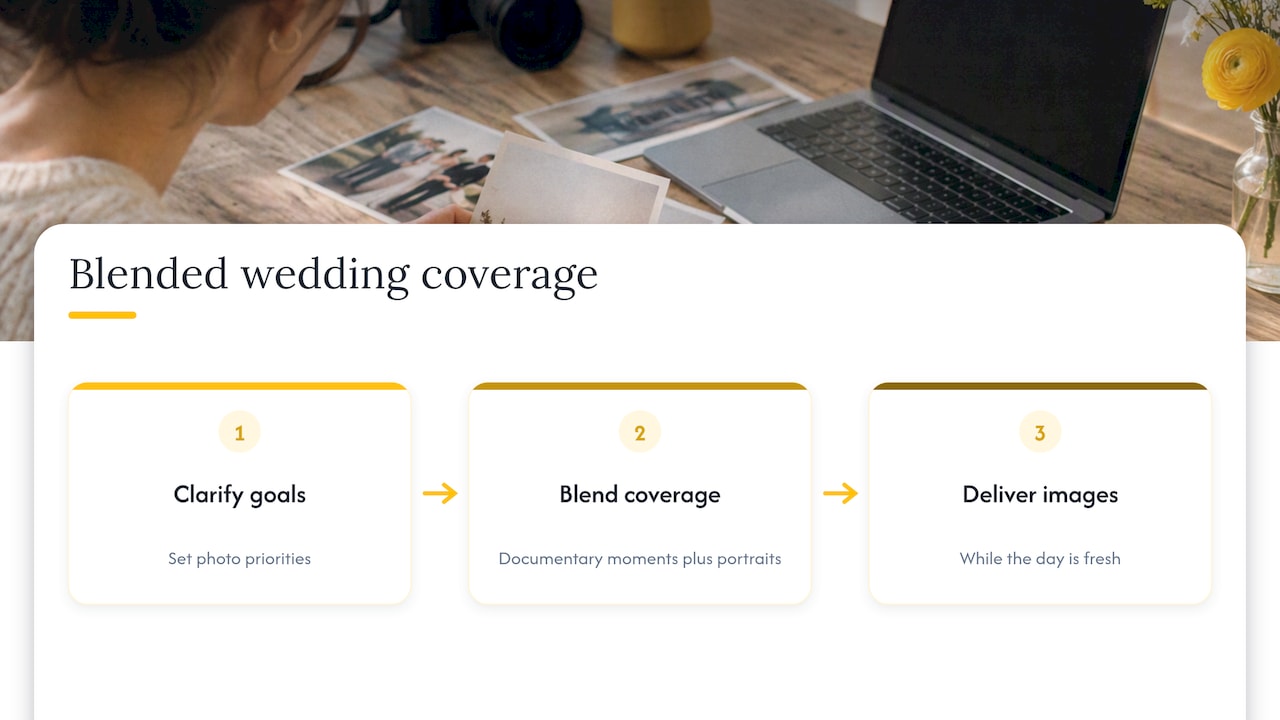
We start every wedding booking by clarifying what the photos need to achieve, then build coverage around relaxed, documentary-style moments mixed with a short block of directed portraits. That blend keeps the day feeling natural while still delivering the posed shots families expect. Our wedding galleries show how that mix plays out across different venues and lighting, and our streamlined delivery process means couples see their images while the day is still fresh.
Where today’s wedding photography styles came from
Early wedding photography in the 19th and 20th centuries was almost entirely formal and posed, a natural result of slow shutter speeds and studio setups that demanded stillness. That formality shaped what we now call traditional or classic style, built around organised group shots and careful symmetry.
Documentary wedding photography emerged later, once faster film and smaller cameras let photographers move freely and capture moments without staging them. This shift mirrored changes in photojournalism more broadly, as candid storytelling became both technically possible and creatively desirable.
Editorial and fine art styles grew out of fashion and magazine photography, bringing deliberate styling, composition and lighting into wedding portraits during the late 20th and early 21st centuries. Film-inspired and light-and-airy looks followed as digital editing matured, letting photographers recreate the warmth of film or push bright, soft tones digitally. Dark and moody, cinematic and party flash styles are more recent still, shaped by changing tastes in social media imagery and a wish for reception photos with real atmosphere. Each style, in other words, grew out of a mix of available technology and the aesthetic couples were chasing at the time.
Matching style to the couple, not the trend
One couple we worked with wanted documentary coverage for the ceremony but were adamant about a short, editorial-style portrait session at golden hour. Blending the two gave them a gallery that felt true to the day and still delivered the striking images they had pictured.
The right style is never the most fashionable one. It is the one that looks like your day, told the way you wanted it told.
— Emmet
A practical next step for your wedding photography
We build every wedding gallery around what you actually want from the day, blending relaxed, documentary-style coverage with directed portraits so the photos feel true to you rather than templated. Pricing starts from £1,850 for full-day coverage, with a streamlined process from enquiry to delivery. If you would like to see how that blend looks in practice, visit our wedding photography page to check availability.
FAQ
What is the 20 60 20 rule in photography?
There is no fixed industry standard, so ask any photographer how they personally balance their coverage.
What are the main types of wedding photography?
The main styles are documentary, traditional, editorial, fine art, light and airy, dark and moody, film-inspired, black and white, party or direct flash, and cinematic. Most photographers blend two or three of these across a single wedding rather than sticking to one.
What is a post-wedding photoshoot?
A post-wedding photoshoot, sometimes called a “day after” shoot, is a separate, relaxed session booked after the wedding day itself, often in a different outfit or location. It gives couples more time for creative or editorial-style portraits without the time pressure of the wedding schedule.
What should I check before choosing a wedding photographer?
Review full, unedited galleries rather than just highlights, and ask directly about their shooting approach on the day versus their editing style afterwards, a distinction worth confirming before you book. It is also worth checking turnaround times and contract terms covering usage rights and second-shooter policy, as outlined in guidance on wedding photographer terms.
How much does wedding photography typically cost?
UK wedding photography pricing varies by region, hours booked, and extras, with a national survey putting the average around £1,500, and London typically running higher. Our own wedding packages start from £1,850 for full-day coverage.
Sources
- Wedding Photography Styles Explained | Weddings Hub
- A complete guide to wedding photography styles
- Wedding photography prices
- Wedding photography styles explained | Guides for Brides