London has a deep bench of queer documentary photographers, and they are not interchangeable. Some are artists working on long personal projects, some specialise in weddings, and some cover club nights, community events and brand campaigns. The right pick depends on what you are commissioning, how you want to be seen, and how quickly you need the pictures. Below we compare the main kinds of option, name photographers whose work is publicly documented, and show where we fit.
TL;DR
- “Documentary” means different things: an artist’s long-term project, an unposed wedding, or fast event coverage. Match the type to your brief first.
- Ask about trust, comfort and how the photographer collaborates before you ask about price. Published work by the best-known names puts care for the people photographed first.
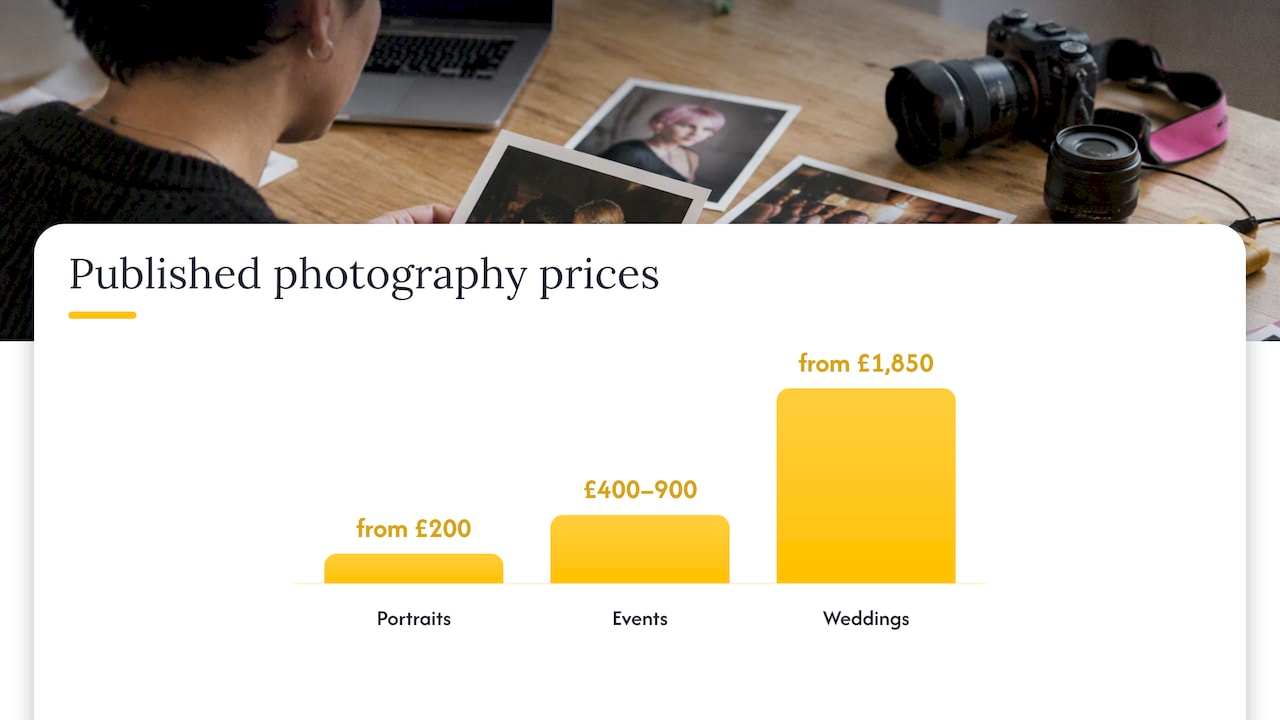
- For commissions, we at LemonLens publish our prices: portraits from £200, events £400 to £900, weddings from £1,850.
- Event images from us are delivered within 48 hours, which matters for nights, launches and Pride-season content.
- Always check availability, usage rights and delivery time in writing before you pay a deposit.
Table of Contents
- What “queer documentary photography” covers in London
- Photographers and approaches worth knowing
- Which type of photographer fits your brief
- Questions to ask before you commission
- How to compare prices fairly
- Where we work and what to check on availability
- Our perspective
- Book a shoot with us
- FAQ
- Sources
What “queer documentary photography” covers in London
The phrase gets used for three quite different jobs, and mixing them up is the commonest reason a booking disappoints.
Artistic and archival documentary. Long-term projects about identity, community and nightlife, often shown in galleries and magazines. These photographers choose their subjects and rarely work to a client brief.
Documentary-style commissions. Weddings, family days, portraits and personal-brand shoots made in an unposed, observational way, for people who pay for a specific set of images.
Event and community coverage. Club nights, parties, launches, panels and Pride activities, where the job is to capture the room fast and deliver while the event is still talked about.
Historical work shows why this tradition matters. Phil Polglaze’s photographs of public toilets in 1970s and 80s London were produced in connection with legal defence, and the Museum of London describes them as now documenting a largely hidden social history of gay men. Photographs made with purpose can outlast the moment they record. That is the same idea behind the way we work.
Photographers and approaches worth knowing
The table groups the options by what they do best. It is a starting map, not a ranking, and the prices in it are ours only because we are the only ones whose figures we can state for you.
| Option | Best for | Documentary approach | Commission pricing |
|---|---|---|---|
| Bernice Mulenga | Black queer nightlife, community spaces, exhibitions | Participant, inside the scene | Primarily artistic practice |
| Bex Wade | Long-term queer portraiture and archive-grade work | Nearly two decades documenting queer lives | Check their own site |
| Felix Pilgrim | Portraiture, performance, the queer experience | Artist-led portraits | Check their own site |
| Holly Revell | Collaborative portraits exploring transforming identities | Co-created with sitters | Check their own site |
| Wedding specialists (for example Paul Underhill) | Same-sex and LGBTQ+ weddings | Observational, unposed | Varies by coverage |
| LemonLens | Events, portraits, weddings, brand content and video | Purpose-led and directed, quick delivery | Published, from £200 |
Bernice Mulenga: community from the inside
Bernice Mulenga photographs Black queer dance floors, street parties, club nights and community spaces in London. Dazed Digital’s profile describes a practice built on community, kinship and love, in which Bernice builds trust and takes part in the scene instead of observing it from outside. They also stress care for the people and spaces they photograph, and the relationship with the person in the frame.
If you are an organiser, this is a useful benchmark. A good event photographer for a queer night should understand the room’s norms: who has consented to be photographed, where cameras are not welcome, and how images will be shared. Planning a themed night with activities? Ideas like those in these Pride event activity suggestions also give a photographer more to shoot than a dance floor alone.
Bex Wade: long-view documentation
Bex Wade is a trans non-binary photographer in London who, according to their profile at We Create Space, has documented queer lives for nearly two decades, with works acquired by the Victoria & Albert Museum. That depth of practice suits projects where the aim is a body of work, such as an organisation’s history or an anniversary exhibition.
Portrait and wedding specialists
Search results for this keyword are dominated by individual photographers with personal sites. Felix Pilgrim’s work explores portraiture, performance and the queer experience. Holly Revell makes collaborative portraits with fellow queer people exploring transforming identities. Several wedding photographers, including Paul Underhill, describe a documentary approach to same-sex weddings. Each site states its own style, so read it as a statement of intent and then judge it against the actual galleries.
Which type of photographer fits your brief
If you are getting married
You want someone who reads a room without taking it over: no forced poses, no assumptions about who stands where or who wears what. Ask to see a full wedding gallery, not a highlights reel, and ask how they photograph families who are still adjusting. Our wedding photography starts from £1,850, and our relaxed, unposed wedding approach is built around the same observational instinct. If you are still working out the look you want, our guide to wedding photography styles lists ten and the questions to ask each photographer.
If you run a night, a collective or a community event
Speed and sensitivity matter most. You need pictures of the crowd, the performers and the details, handled with clear consent practices, and you need them quickly. Our London event photography is priced between £400 and £900 and images arrive within 48 hours. We have written up how this works in practice in our guide to LGBTQ event photography in London, and with real examples from a community night in Peckham and a themed night in Vauxhall.
Corporate and organisational events are priced separately: from £350 for a half-day, from £650 per day, and from £1,100 for a two-day conference. See our corporate event rates.
If you need portraits or brand content
Individual commissions are where the line between art and service is clearest. You are paying for pictures that do a job: a founder page, a press kit, a campaign. Our portrait packages are The Solo at £200, The Brand at £500 and The Team from £795, on our portrait services page. For brands speaking to LGBTQ+ audiences, read how to choose an LGBTQ brand photographer first. Personal brands might prefer personal branding portraits or environmental portraits on location.
If the shoot is personal
Gender-affirming portraits, family sessions and memorial work ask for slower, more careful handling. We cover these in separate guides: gender-affirming photography, LGBTQ+ family photography and LGBTQ+ memorial photography.
Questions to ask before you commission
The research behind this article keeps returning to one point: the relationship between photographer and subject shapes the picture. So ask about that directly.
- How do you prepare people who feel awkward on camera? A good answer describes a process, such as a pre-shoot call, a shot list agreed together, and a way to say “not that one”.
- How do you handle consent at events? Look for clear signage, an opt-out for guests, and a rule about publishing images of people who have not agreed.
- Can I see work like mine? A portfolio of weddings tells you nothing about a club night, and vice versa. Ask for a gallery from a comparable job.
- Who will turn up? Confirm the named photographer, not an associate, and whether a second shooter is included.
- What is the delivery time? Event pictures lose value quickly. Get a number of days in writing.
- What can I do with the images? Ask about licence terms for social media, press and print, and whether sitters may share their own portraits.
- What does the price include? Hours of coverage, edited image count, travel within London, extra hours and any extra fee for rush delivery.
How to compare prices fairly
Prices for photography in London vary widely, and the same word can mean different things. Documentary wedding coverage might include a pre-wedding chat, a set number of hours and a gallery. A portrait session might be a single look or several. Before comparing totals, compare what is inside them.
Published starting prices are a good sign. A photographer who lists what a session costs usually has a clear process behind it. When a price is “on enquiry”, ask for a written quote that itemises coverage, editing and licence. Our own figures are published so you can budget before you contact us: portraits from £200, events £400 to £900, weddings from £1,850. Videography, business photography and event video are quoted per project; see our videography, business photography and event videography pages for what we cover.
Where we work and what to check on availability
We are based in London and cover the capital’s boroughs, including Camden, Hackney, Islington, Lambeth, Lewisham, Hammersmith and Fulham, Brent, Ealing, Richmond and beyond. If you are in south London, our Brixton page shows what a local shoot looks like. A hotel wedding in the west of the city is shown in our Twickenham wedding example.
Whatever photographer you choose, check three things early:
- Date and time slot. Pride season, summer weekends and December are busy. Ask about the date before you commit to a venue plan.
- Travel. Confirm whether travel within London is in the quote.
- Delivery. Ask what you receive and when, and how images are shared, such as a private gallery or download link.
Our perspective
We think the best documentary photography begins with a plain question: what are these pictures for?
A wedding gallery is for the couple and the people who love them. A club night’s images are for the community that made it, and for the next crowd deciding whether to come. A founder’s portrait is for the clients who are about to read their story. When the purpose is clear, every decision gets easier: where to stand, what to keep, how fast to deliver.
That is why every LemonLens booking starts with the purpose of the photographs. We direct sessions so that people feel comfortable and look like themselves, and we publish prices so nobody has to guess. For events we deliver within 48 hours, because images are worth most while the night is still being talked about.
Queer photographers, archivists and artists have long shown that an image can record a community and also protect and celebrate it. We would like to work in that spirit: with consent, with care, and with a clear plan.
Emmet
Book a shoot with us
If you are ready to commission, tell us what the pictures are for, when you need them and who will be in the room. We will reply with a clear quote. Start with our portrait packages, our event photography or our main page for weddings and everything else. Our guide on how to hire a queer photographer in London walks through the steps in more detail.
FAQ
How much does a queer documentary photographer cost in London?
It depends on the job and the photographer. At LemonLens, portraits start from £200, events cost £400 to £900, and weddings start from £1,850. Other photographers publish their own starting prices, so compare what hours, edits and licence each one includes.
What is the difference between documentary and posed photography?
Documentary photography follows what happens naturally, with little staging, while posed photography is arranged in advance. Most commissions use a mix. At our shoots we direct lightly so people feel comfortable, then step back and let moments happen.
How quickly will I get my photos?
That depends on the photographer, so ask for a number of days before booking. For events, we deliver within 48 hours. For weddings and portraits, we confirm delivery in your quote.
Do I need a queer photographer to be photographed well as a queer client?
Identity can help, and many people prefer it, but the better test is how the photographer works. Ask about consent, comfort and collaboration, and look at galleries of people in situations like yours. Bernice Mulenga’s published approach, which puts trust and care for the people in the frame first, is a good standard to hold anyone to.
Can I hire one photographer for both an event and brand portraits?
Yes. Many clients book a portrait session for brand content and event coverage for launches or nights. We can plan both together so the look stays consistent and the schedule is easier to manage.
Sources
- Bernice Mulenga’s loving portraits of Black queer dance floors, Dazed Digital
- Bex Wade, We Create Space
- Bog Jobs: public toilets and gay encounters, Museum of London